Patient experience
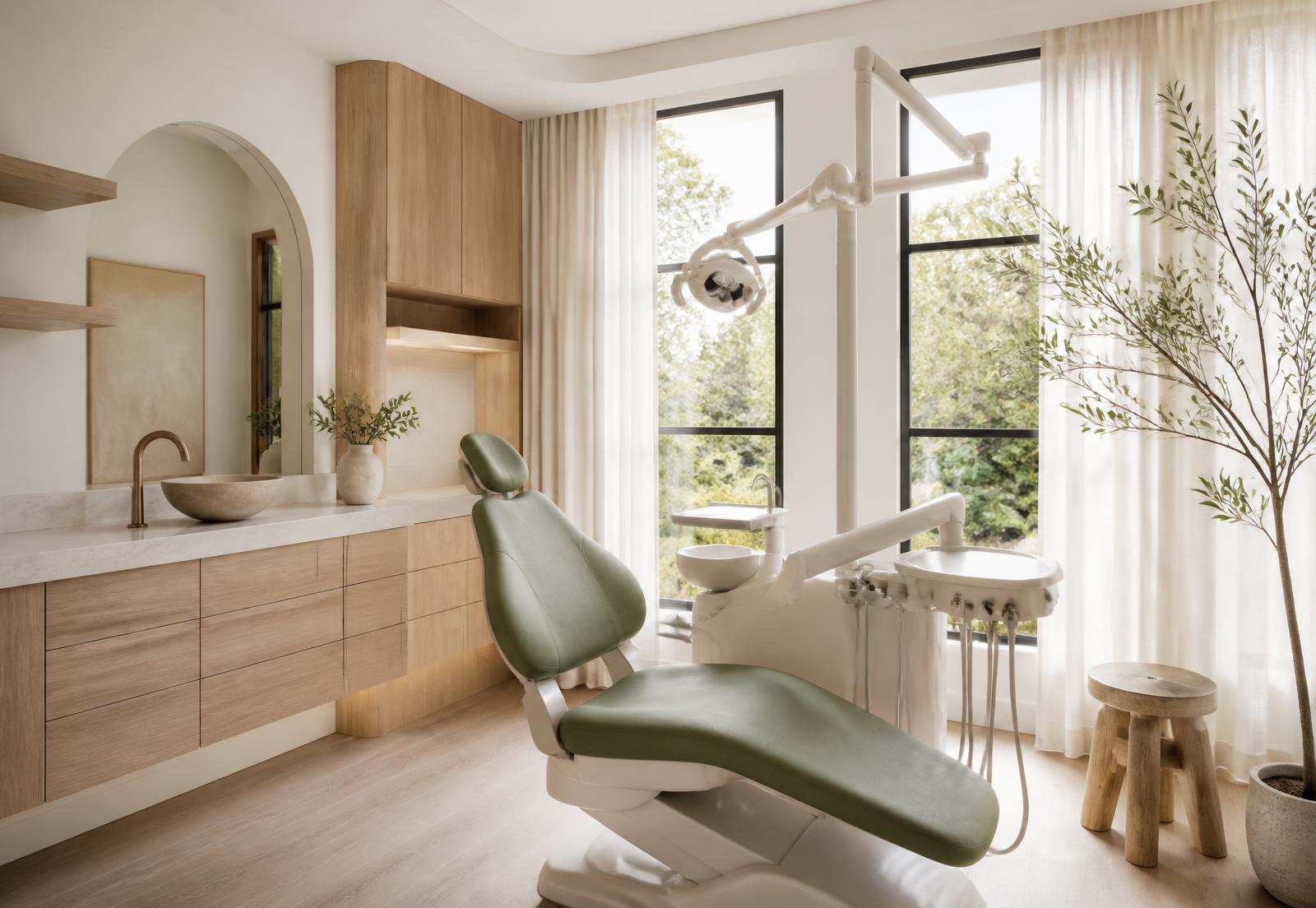
Calm is a clinical decision, not a candle
Anxiety changes outcomes. So the environment, the pace and the way we explain things are treated as part of the treatment rather than decoration around it.
Principles
Four things we hold to
Unhurried appointments
Consultations are booked for a full hour. Nobody is asked to make a decision about implants in the last four minutes of a check-up.
Written plans, plain language
You leave with a printed plan listing each stage, the sequence, the fee and the alternatives — including the option of doing nothing for now.
Comfort as a clinical decision
Numbing gel before every injection, blankets, noise-cancelling headphones, and signalling agreed before we begin so you can pause at any point.
One team, start to finish
The clinician who plans your case performs it. Your treatment coordinator stays the same person from first call to final review.
Your first visit
An hour, in five parts
- 01
Arrival
Tea or water, no clipboard ambush. Paperwork is sent ahead so the first ten minutes are a conversation.
- 02
Listening
We ask what brought you in and what you would change, before anything is examined.
- 03
Examination
Teeth, gums, bite and soft tissues, with photographs and a scan so you can see what we see.
- 04
Discussion
Options laid out with sequence, fees and alternatives — including waiting.
- 05
Afterwards
A written plan by email the same day, and a named coordinator you can reply to.
Technology
Equipment that shortens appointments
Not gadgetry for its own sake — each of these reduces guesswork, chair time, or both.
3D cone-beam imaging
Bone volume, nerve position and sinus anatomy are reviewed in three dimensions before any implant is planned.
Intraoral scanning
Digital impressions replace the tray of putty for most cases, and let you see your own teeth on screen during the discussion.
Digital smile design
Proposed tooth shapes are designed on a photograph of your face, then trialled in your mouth before anything is prepared.
Guided surgery
Where it improves accuracy, implants are placed through a printed surgical guide made from the planning scan.